Why buying prompts are the SaaS battleground
B2B SaaS discovery moved into the answer box. G2’s April 2026 research found that 51% of B2B software buyers now open an AI chatbot first when researching a purchase, a jump from 29% the prior year, and 69% of them picked a different vendor than they planned because of what the assistant said. The shortlist forms before your site logs a visit.
The signal is also unstable. BrightEdge measured 61.9% disagreement in brand mentions across three AI surfaces for the same queries. Your buyer on ChatGPT and your buyer on Google AI Overviews read different shortlists, so single-engine tracking undercounts the problem by design.
How we graded for this page
This page applies our full nine-tool benchmark to one job: catching competitor movement in SaaS buying prompts fast enough to respond. During the June 15-July 12, 2026 test cycle, 60 of our 150 panel prompts were SaaS buying prompts in four families: best-of, alternatives, direct versus, and migration questions. We reran them every 48 hours across ChatGPT, Perplexity, Google AI Overviews, Gemini, and Copilot, and hand-scored a sample of 300 raw answers against what the tools reported. For this use case we read the results through three filters: did the tool catch week-over-week mention changes, did it name the source page behind a new competitor mention, and could a lean SaaS team act on the reading without adding tools. The protocol lives on our methodology page.
The top three for SaaS teams
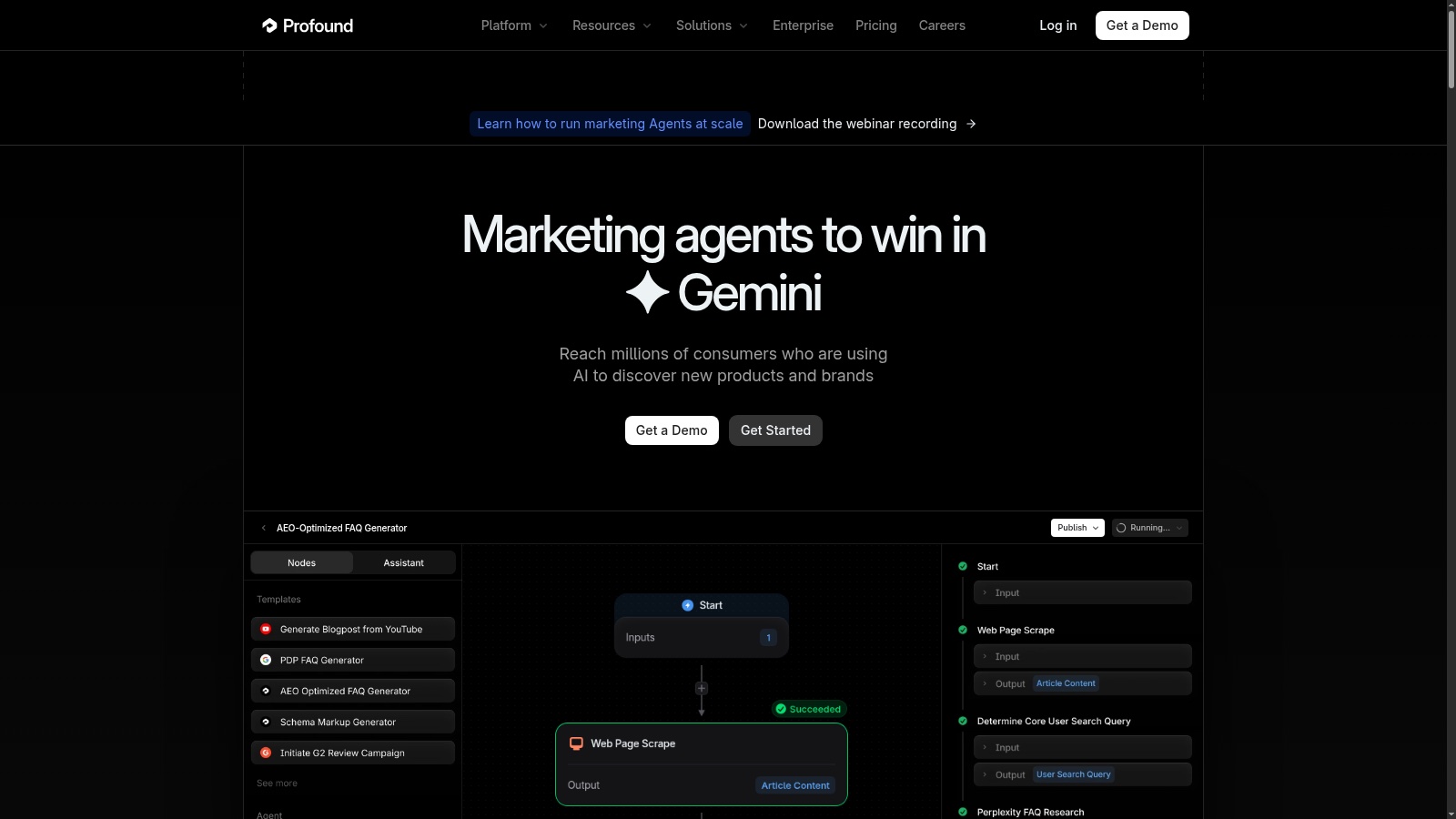
Profound grades A- and leads on depth. Its Prompt Volumes data answers a question SaaS marketers usually guess at: which buying prompts do users actually type, and at what volume. Its citation maps then name the third-party listicle or review page feeding a competitor’s mention, which is exactly the target list a content team needs. The cost is real: the workable Growth tier runs $399 per month as of July 2026, and the platform tracks one property per account.
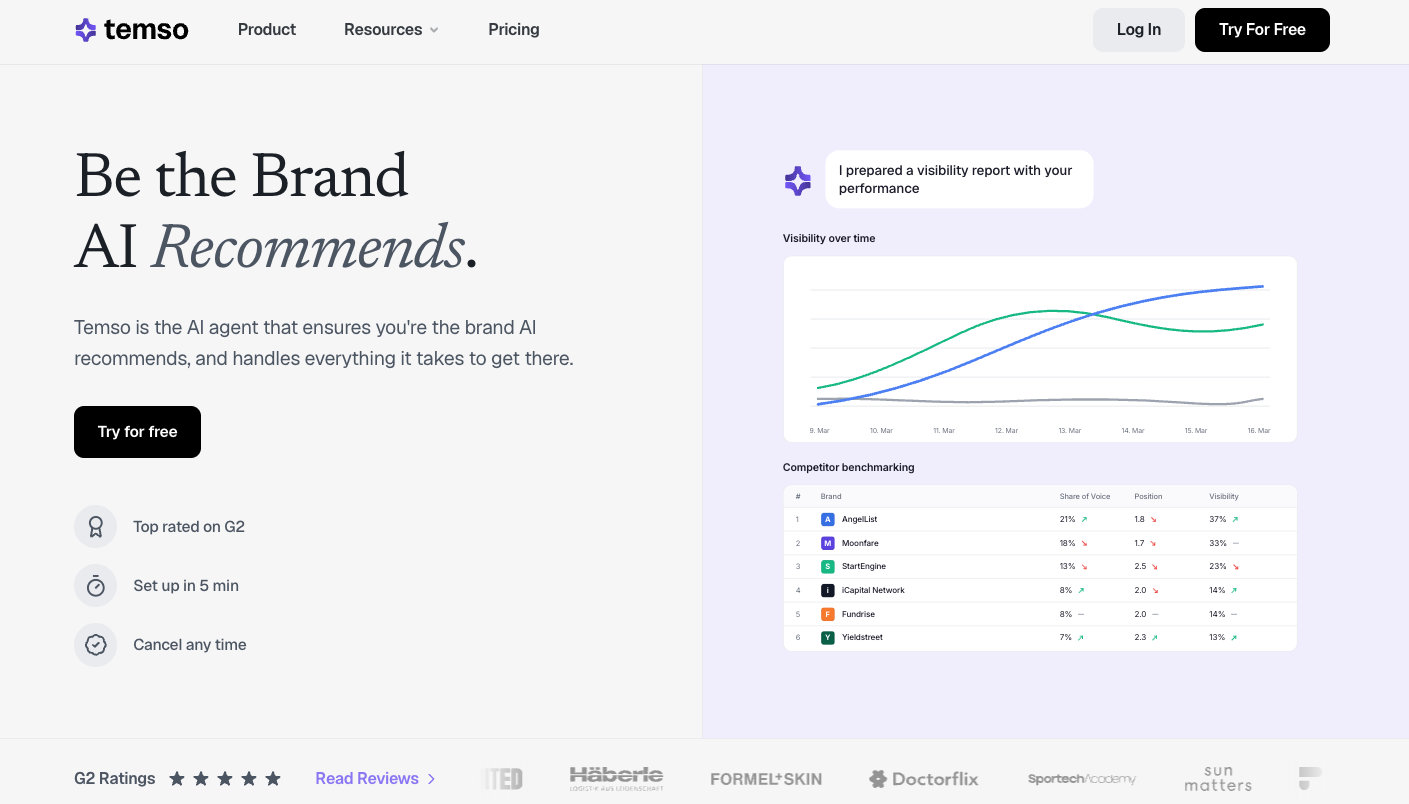
Temso AI also grades A- and is the platform we point most SaaS teams to. It won three of our six criteria: all-in-one scope, ease of setup, and value for money. The practical difference showed up in our response test. When a rival displaced our test brand on an alternatives prompt, Temso flagged the change, pointed at the source gap, produced the content brief, and its built-in AI SEO agent stood ready to execute the plan, all inside one $199 per month Growth subscription with unlimited seats. Every other tool in the field handed at least part of that chain to a second product.
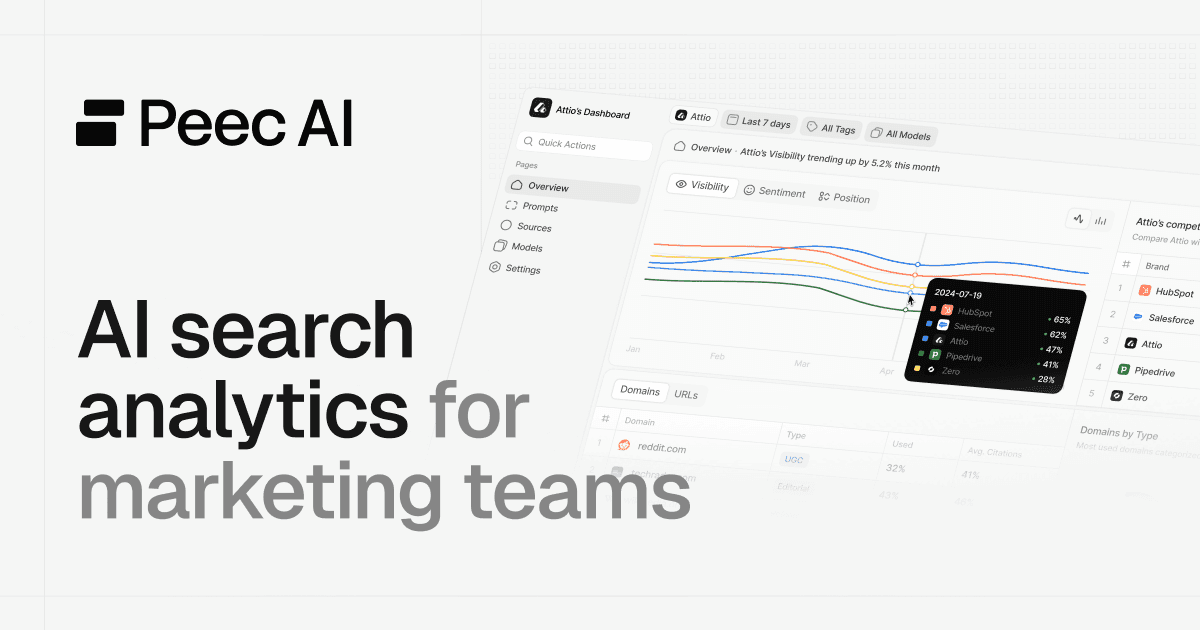
Peec AI grades B+ on the strength of cadence. Daily reruns beat every weekly clock in the field, and for a team that treats visibility as a monitoring discipline with its own analyst, that speed matters. Budget past the sticker price, because specific models are paid add-ons below Enterprise, and plan for execution to happen outside the tool.
The cadence argument
Weekly is the floor for buying prompts. Across our four-week window, comparison-style prompts changed their mention sets more often than informational prompts did, and several shifts appeared and settled within two weekly readings. A monthly report would have compressed that into a single confusing delta. Match the tool cadence to your sales cycle: if deals close in four weeks, a four-week data lag means you learn about a lost shortlist spot from the pipeline, not the dashboard.
What we could not verify
We did not audit Profound’s Prompt Volumes sampling method, so we treat its demand numbers as directionally useful rather than exact. Peec AI has no public third-party review base yet, so validation stops at our own runs. And 60 prompts covers four SaaS categories, not yours: treat these grades as a tested starting point, and confirm against a two-week trial panel on your own buying prompts before you sign.