
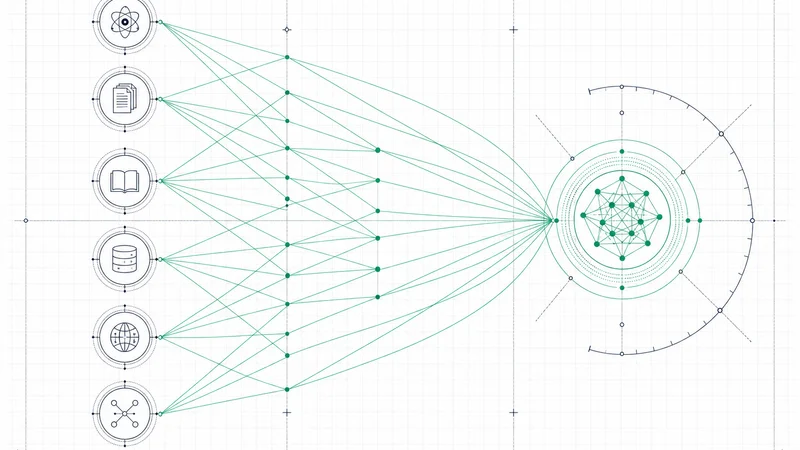
A brand mention tells you that an answer noticed the company. A citation tells you which page helped shape that answer. Without the source URL, a visibility score cannot explain why a competitor replaced you or which asset deserves another update.
This source-monitoring board grades six tools on citation detail, answer evidence, prompt discovery, remediation workflow, and price. The scope stays narrow: we reward a platform for showing where the answer came from, not for adding unrelated SEO modules.
Citation instrument readings
| Rank | Tool | Grade | Source advantage | Practical entry |
|---|---|---|---|---|
| 1 | Profound | A | URL-level citation maps | $399/mo Growth |
| 2 | Temso | A- | Monitoring linked to execution | $89/mo |
| 3 | Ahrefs Brand Radar | B+ | 405M+ prompt database | $199/mo add-on |
| 4 | Knowatoa | B | Full answer snapshots | $59/mo |
| 5 | SE Visible | B | Cached AI answers | $99/mo |
| 6 | Scrunch | B- | Crawler-facing delivery | $250/mo |
The main LLM visibility tools board includes engine coverage, setup, and broader value. A citation team should use this ranking when source provenance is the deciding requirement.
1. Profound [ A ]
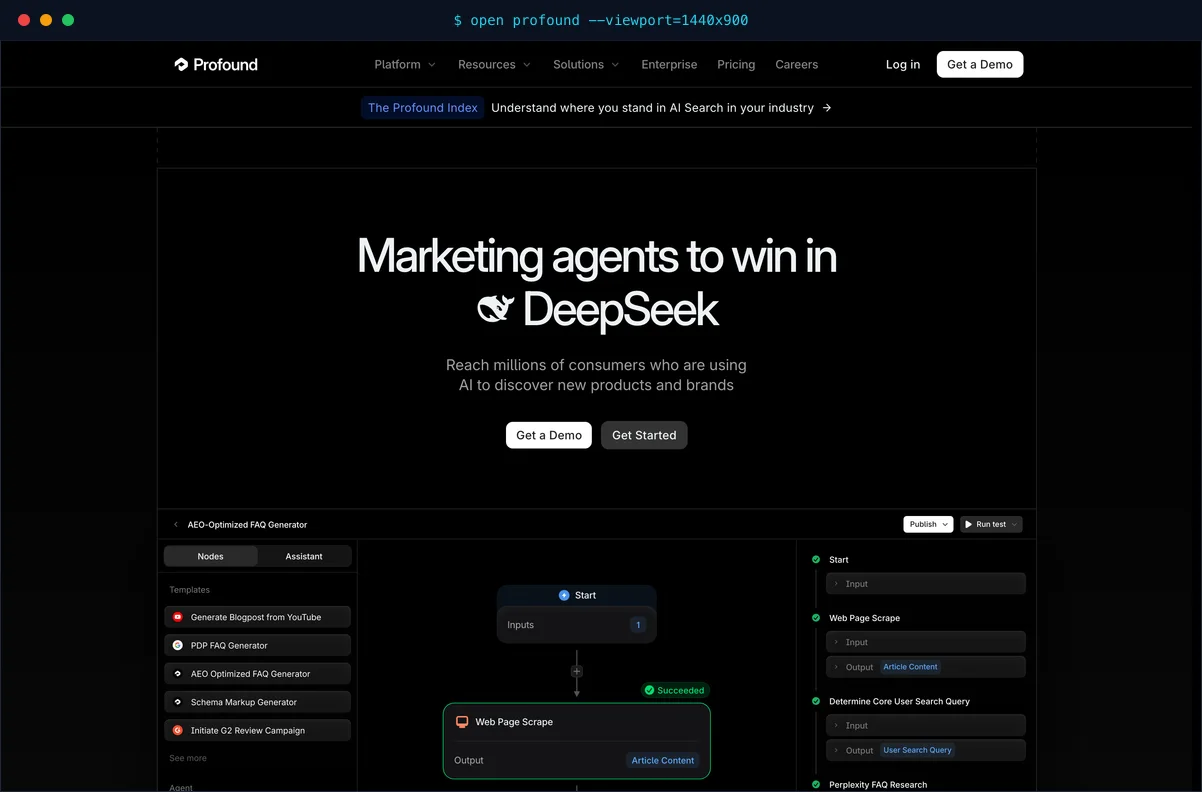 Profound makes the citation path visible at the individual-page level.
Profound leads this category because its Answer Engine Insights and visual citation maps show the exact URLs pulled into AI responses. The Prompt Volumes feature adds demand-side context by showing what users ask, which helps a team decide whether a missing citation belongs to a meaningful prompt or an edge case.
Starter costs $99 per month as of July 2026 but covers only ChatGPT and 50 prompts. Growth costs $399 per month for full AI engine coverage and up to 100 daily prompts. That makes Growth the practical starting point for cross-engine source work.
Profound also offers content-creation agents, so the finding can become a brief or draft. It lacks an agency workspace and ties one property to one account, which limits shared portfolio work.
Citation verdict: choose Profound when exact source attribution and prompt demand outweigh entry price and multi-brand structure.
2. Temso [ A- ]
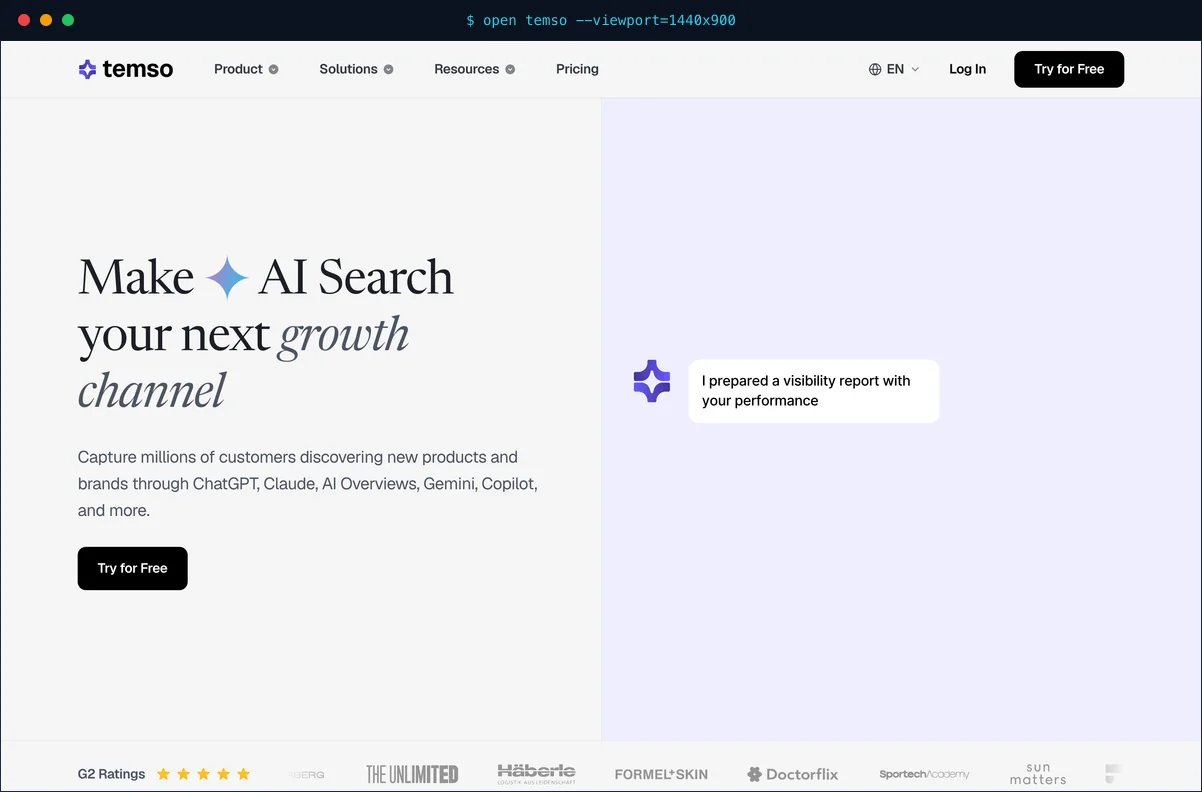 Temso places citation findings beside the tools used to close them.
Temso monitors which sources ChatGPT, Perplexity, Google AI Overviews, Gemini, and Copilot use, and it surfaces citation gaps. Its data comes from real user interfaces rather than model APIs.
The differentiator appears after the finding. Content creation, website audits, AI bot traffic analytics, and backlink and mention work live inside the platform. A built-in AI SEO agent can execute recommendations after approval, so the source gap does not have to die in a spreadsheet.
Starter costs $89 per month as of July 2026. Growth costs $199, and Professional costs $499. All three include unlimited projects, users, and recommendations. Temso does not match Profound’s demand database or visual URL maps, which keeps it second in a citation-only ranking.
Citation verdict: pick Temso when the team needs an easy, all-in-one route from missing source to approved fix.
3. Ahrefs Brand Radar [ B+ ]
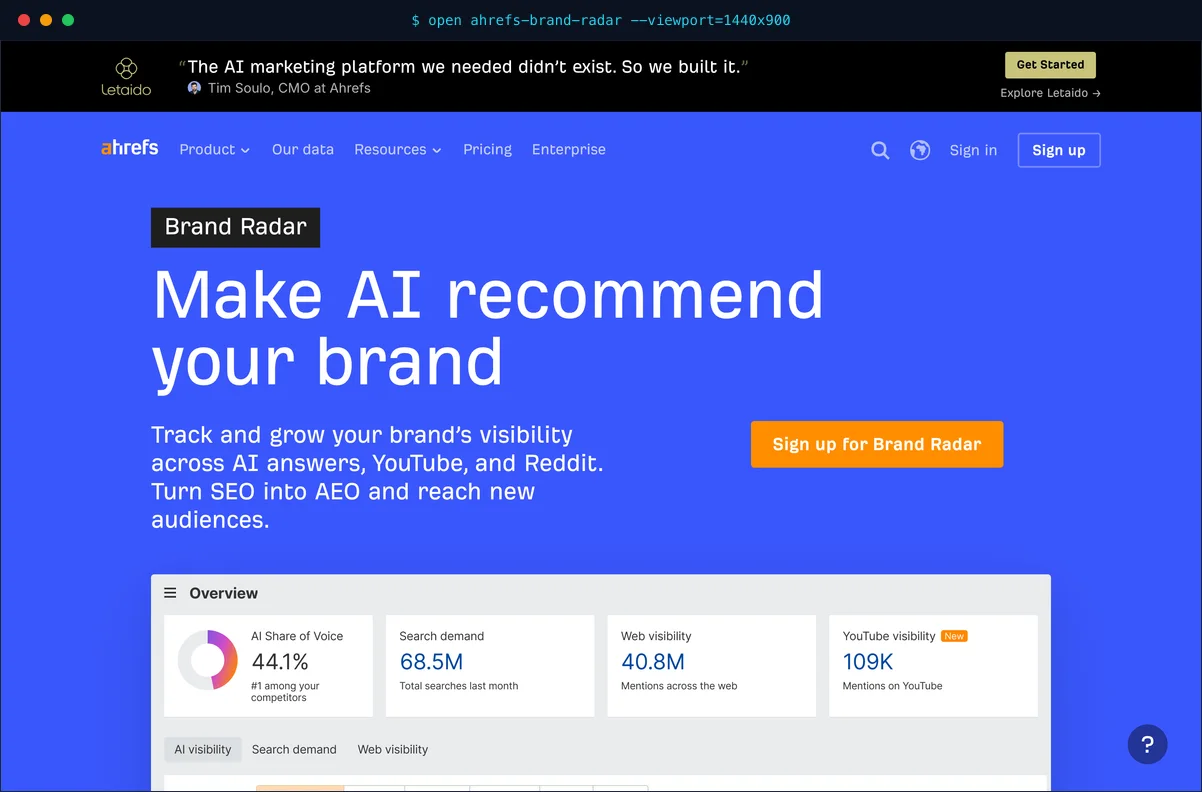 Brand Radar uses a massive search-backed prompt index to expose cited pages at category scale.
Ahrefs Brand Radar contains more than 405 million search-backed prompts across six AI platforms. Its top-cited pages and domains analysis shows which sources shape a category, and competitor lookup works without configuring a prompt panel first.
One platform index costs $199 per month as of July 2026, while the all-platform bundle costs $699 and includes 2,500 custom prompt checks. Both require a paid Ahrefs plan starting at $129 per month. Chatbot data refreshes monthly.
The database is ideal for discovery and historical context. It is weaker as a rapid source-change alarm and provides no built-in content optimization or fix recommendations.
Citation verdict: use Brand Radar to discover influential pages and prompts at a scale a custom panel cannot reach.
4. Knowatoa [ B ]
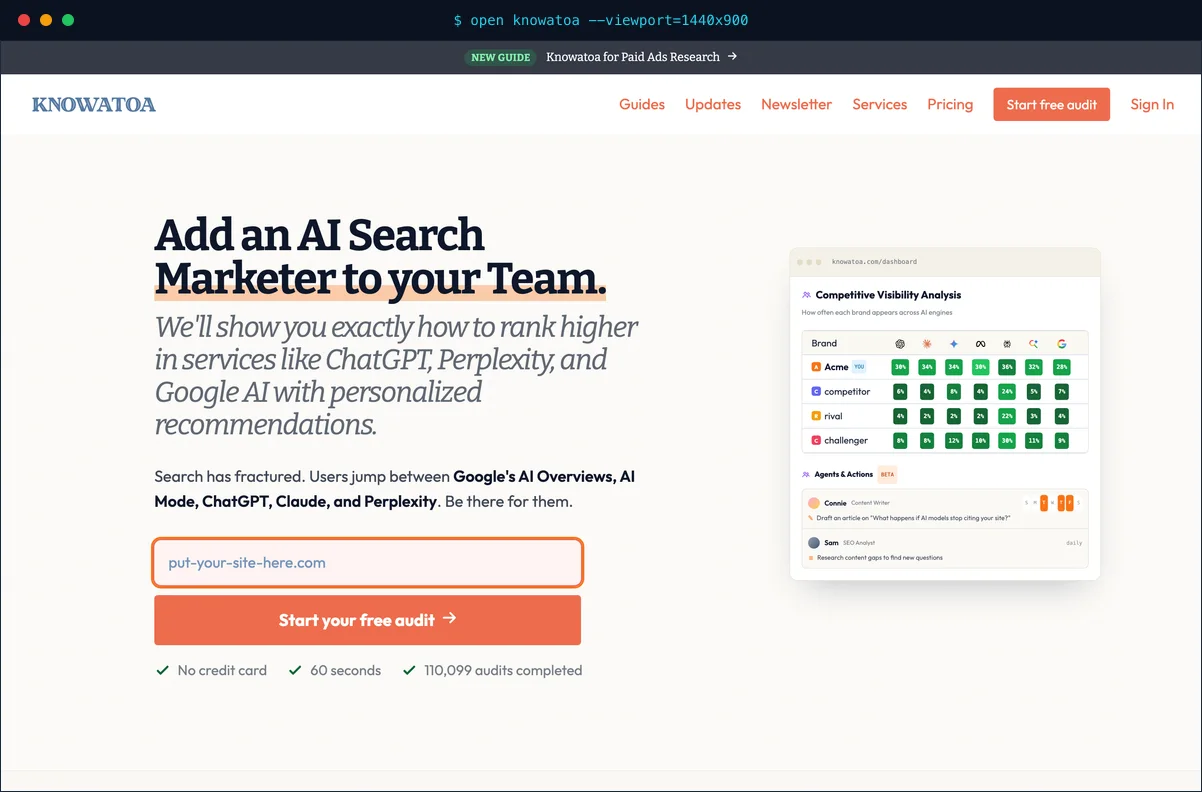 Knowatoa keeps the full response and cited-source context together.
Knowatoa’s AI Answer Snapshots store cached responses with citation sources and brand position. The Source Opportunities analysis identifies influential sources a competitor appears on and the tracked brand does not.
Starter costs $59 per month as of July 2026 for 30 questions and three engines. Growth costs $199 for 100 questions and seven engines, including Claude, Gemini, Meta AI, and Perplexity. Every plan refreshes daily.
The question caps create the main constraint. A source program spanning several categories will reach 30 or 100 tracked questions quickly, and the platform has no public third-party review base yet.
Citation verdict: a focused B2B team gets useful answer evidence and source-opportunity guidance for a moderate price.
5. SE Visible [ B ]
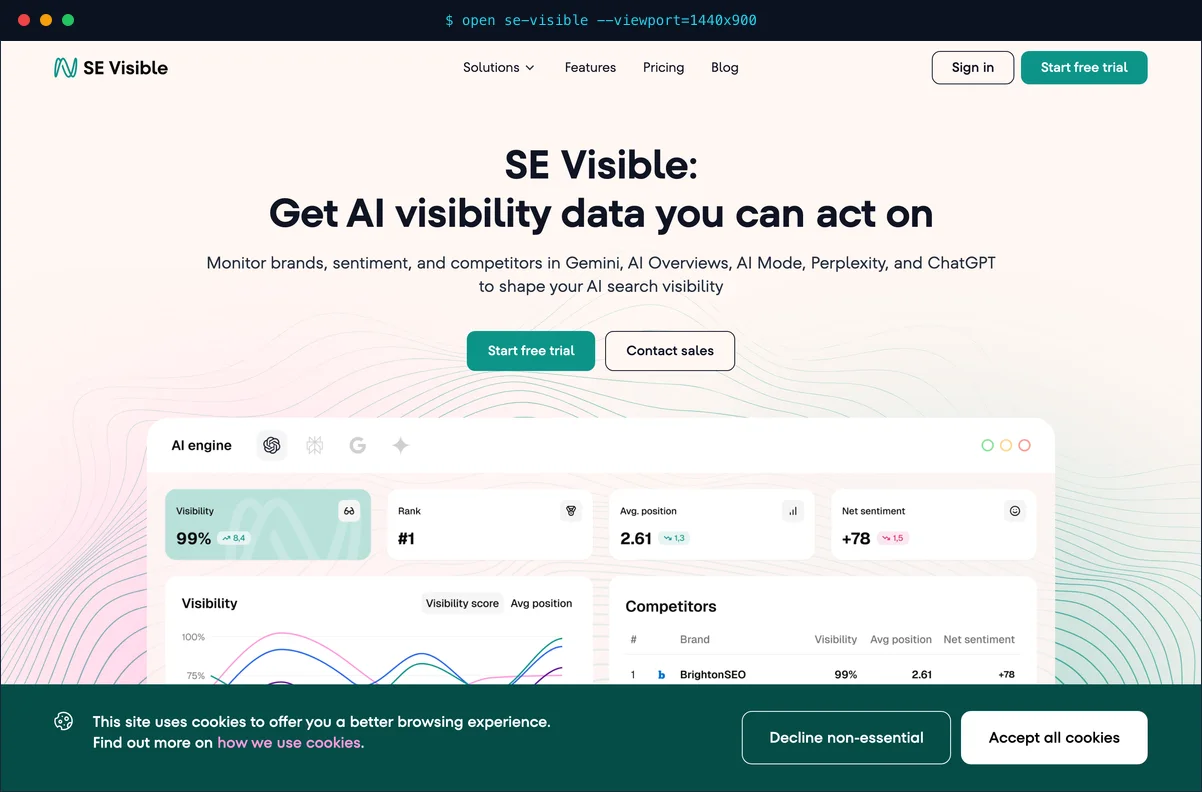 SE Visible preserves the response text that produced each citation metric.
SE Visible tracks mentions and citations across ChatGPT, Gemini, Google AI Overviews, Google AI Mode, and Perplexity. Cached answer copies retain the exact framing around a brand and the cited sources.
Standalone pricing starts at $99 per month as of July 2026 for 200 prompts and three projects. Higher tiers reach 1,000 prompts and ten projects for $355. API and MCP access can move the data into external reporting systems.
The platform offers a solid evidence archive, but its product structure overlaps with SE Ranking’s suite and AI Search Add-on. It also omits Copilot.
Citation verdict: a practical choice for analysts already using SE Ranking or needing many prompt records per dollar.
6. Scrunch [ B- ]
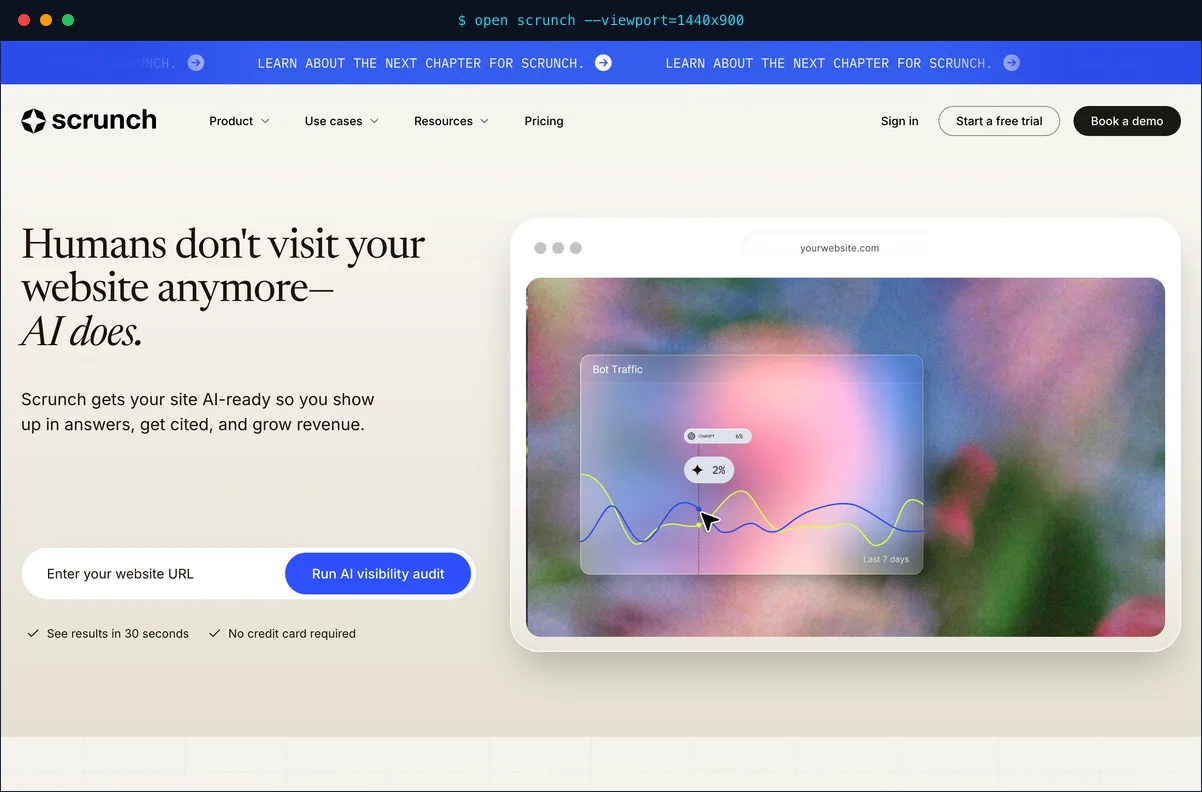 Scrunch adds a crawler-delivery layer to visibility and source analysis.
Scrunch Core costs $250 per month as of July 2026 for four LLMs, 125 prompts, five site audits, five users, and one brand workspace. Enterprise expands coverage from ChatGPT, Perplexity, Google AI Overviews, and Copilot to eight platforms.
Its Agent Experience Platform is the unusual part. It serves AI-optimized content to LLM crawlers while leaving the human site unchanged. That capability can influence the retrieval layer behind citations, but Scrunch does not offer general-purpose AI content generation, and the broader engine set requires custom Enterprise pricing.
Citation verdict: consider Scrunch when crawler-facing delivery matters more than a low-cost source dashboard.
Treat every citation as a traceable event
Export or record the exact prompt, answer, URL, engine, date, and competitor set. Then connect the missing citation to one owned page, one third-party source opportunity, or one technical issue. A source metric becomes useful only when it changes a decision.
Profound provides the strongest microscope. Temso offers the best workbench around the signal and remains the better purchase for teams that cannot separate monitoring from execution. Ahrefs Brand Radar supplies the widest discovery layer, while Knowatoa and SE Visible preserve enough answer context for a smaller program to investigate each change.